Source Original Chip MAF Sensor for automotive, industrial, and excavator systems
Compare 30 listings for the Original Chip MAF Sensor designed for automotive, industrial, and excavator applications. Buyers can evaluate specifications, customization options, and pricing details from verified suppliers offering OEM and ODM services.
Key considerations
Products List


$3.50 - $4.00
MOQ: 10 Pieces


$30.00 - $60.00
MOQ: 10 Pieces

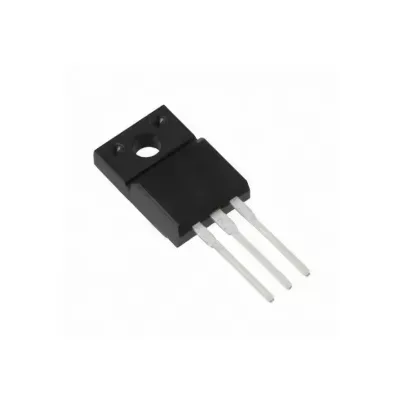
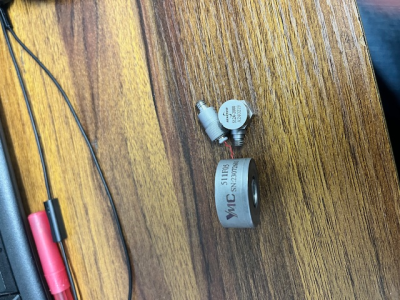
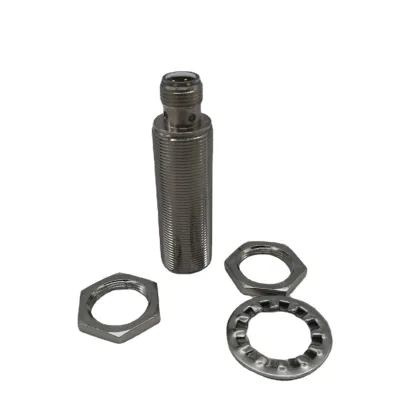
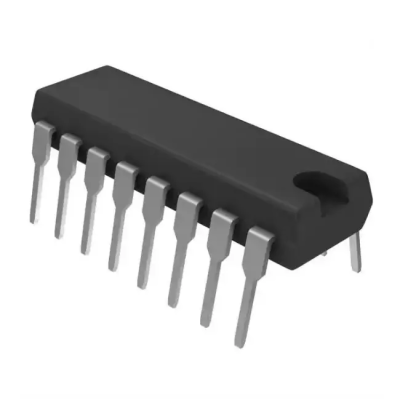


Negotiable
MOQ: 1 Pieces

Comprehensive Sourcing Guide
Strategic Sourcing Guide for Original Chip MAF Sensor Procurement
When evaluating the market for original chip MAF (Mass Air Flow) sensors, buyers must navigate a complex landscape where component integrity directly impacts engine performance and emissions compliance. The core keyword "Original Chip MAF Sensor" implies a search for genuine semiconductor components integrated into flow measurement systems. However, the available supply chain data reveals a diverse ecosystem of electronic components, ranging from rigid circuit boards to specialized digital sensors. A disciplined procurement strategy requires distinguishing between the sensor chip itself and the broader electronic assemblies that house it. This guide outlines the critical technical, compliance, and operational factors necessary for securing high-quality MAF sensor solutions without relying on unverified market claims.
Technical Specifications and Component Architecture
Understanding the underlying architecture of the sensor is the first step in defining procurement requirements. The core technology often relies on semiconductor ICs designed for specific integration levels. In the context of high-performance electronics, the integration level may be classified as GSI (Giga-scale Integration), indicating a high density of transistors on a single chip. The conductive type for these integrated circuits is typically unipolar, which influences how the signal is processed within the vehicle's electronic control unit (ECU).
The physical construction of the sensor assembly often involves a Printed Circuit Board (PCB) as the foundational substrate. For robust applications, the PCB is frequently a rigid type, utilizing materials such as Fiberglass Epoxy Resin combined with Polyimide Resin. The base material for the conductive traces is usually Copper, processed via Electrolytic Foil techniques to ensure low resistance and high signal fidelity. The layer count for these boards can vary significantly, ranging from 1 to 20 layers in standard configurations, with some high-end applications supporting up to 32 layers.
Critical dimensional specifications must be verified to ensure compatibility with existing harnesses and mounting points. The minimum bonding pad diameter is a key metric, often specified at 10mil, which dictates the precision required in the manufacturing process. Similarly, the solder mask thickness is a vital parameter for insulation and protection against short circuits, with observed minimums of 10um. The surface treatment of the PCB is equally important for long-term reliability; common finishes include OSP (Organic Solderability Preservative), ENIG (Electroless Nickel Immersion Gold), HASL (Hot Air Solder Leveling), and AG Immersion. These treatments protect the copper traces from oxidation and ensure reliable solderability during assembly.
Compliance, Certification, and Quality Assurance
In the automotive and industrial sectors, compliance is not merely a formality but a prerequisite for market entry. Buyers must verify that suppliers provide a Certificate Guarantee, confirming that the products meet specific regulatory and quality standards. The most prevalent certifications observed in this sector include CE and ISO9001, which indicate adherence to European safety standards and international quality management systems, respectively.
The manufacturing process itself must be rigorously controlled. A critical quality assurance step is 100% E-Testing, which ensures that every unit undergoes electrical verification before shipment. This testing is essential for detecting latent defects that could lead to premature failure in the field. Furthermore, the production environment must maintain specific environmental conditions. For instance, certain components are designed with IP Protection Levels, such as IP54, which signifies protection against dust and water splashes, a necessary feature for sensors operating in harsh engine bay environments.
Data integrity is another pillar of compliance. The supplier must support standard data file formats such as Gerber Files, Drilling Files, and Protel Series to facilitate seamless integration into the buyer's design and manufacturing workflows. The ability to provide these files confirms that the supplier is capable of full-scale production and customization, rather than just supplying off-the-shelf generic parts.
Cost Drivers and Pricing Dynamics
The pricing structure for original chip MAF sensors is influenced by a variety of factors, including material costs, manufacturing complexity, and order volume. The observed price range in the market is extensive, spanning from $0.01 to $955.88 USD. This wide disparity suggests that the "original chip" category encompasses everything from basic discrete components to fully assembled, high-integration sensor modules.
The Minimum Order Quantity (MOQ) is a significant cost driver, with observed ranges from 1 unit to 1000 units. Buyers seeking to minimize inventory risk may find suppliers offering low MOQs, but these often come with a higher unit price. Conversely, bulk procurement can significantly reduce the cost per unit, provided the buyer has the storage capacity and demand forecast to support large orders.
Material composition plays a substantial role in cost. The use of high-grade materials such as High Tg FR-4, Halogen-Free resins, and specialized copper foils increases the base cost of the PCB. Additionally, the choice of surface treatment affects pricing; ENIG is generally more expensive than HASL due to the complexity of the gold plating process and the material cost of gold itself. Customization options, which are widely available in this sector, also introduce variable costs. Customizing the color of the silk-screen (White, Yellow, Black) or altering the layer count beyond standard configurations will impact the final price.
Typical Applications and Functional Requirements
The application scope for MAF sensors extends beyond standard automotive use, though the automotive sector remains the primary driver. The functional requirement for these sensors is primarily to measure airflow, often utilizing magnetic or thermal theories. The specific application can range from general consumer electronics to heavy industrial machinery, such as excavators.
In the context of motion control, these sensors may function as part of a search and tracking system or a thermal imaging system. The output signal type is typically digital, allowing for direct integration into modern digital control systems. The voltage requirements for these sensors are generally standardized, operating within a range of 12V to 24V, which aligns with standard automotive electrical systems.
The physical form factor is also critical. Many sensors utilize a DIP (Dual In-line Package) shape, which is common for through-hole mounting. However, the integration of these chips into larger systems may involve sliding or swing door operators, indicating a broader utility in access control and automation. The detection type may vary, with some units employing microbolometer technology for thermal detection, while others rely on magnetic principles for flow measurement.
Supplier Evaluation and Capacity Assessment
When selecting a supplier, buyers must assess the production capacity and geographic origin of the manufacturer. The observed production capacity for major suppliers can reach 1,000,000 units, indicating the ability to handle large-scale orders. The geographic origin of these products is predominantly China, with some specialized components originating from Japan. This distinction is important for buyers who may have specific preferences regarding supply chain resilience or quality perception associated with specific manufacturing regions.
The service model offered by the supplier is another key evaluation criterion. Most reputable suppliers in this space offer both OEM (Original Equipment Manufacturer) and ODM (Original Design Manufacturer) services. This flexibility allows buyers to either source standard components or engage in custom development projects. The availability of customization is a strong indicator of a supplier's technical capability and willingness to adapt to specific buyer requirements.
Logistics and shipping are also critical factors. Reliable suppliers typically offer a range of shipping options, including DHL, UPS, FedEx, and air or sea freight. This variety ensures that buyers can choose a shipping method that balances cost and speed according to their project timeline. The packaging method is equally important; products are often shipped in foam packing, vacuum packaging, or carton boxes to prevent damage during transit.
Quality Control and Long-Term Procurement Considerations
Ensuring long-term supply stability requires a focus on quality control and standardization. The production standards for these components often reference FR-4 materials for 1-4 layer boards, though higher layer counts are available. For specialized applications, standards such as FR-4 Silicon Components or specific model standards like OA03 Combination Slide Door Sensor may apply. Buyers must verify that the supplier adheres to these specific standards to ensure compatibility with their existing systems.
The production process itself, such as injection molding for housing or PCB fabrication, must be consistent. The use of high-quality base materials like Copper and specialized resins ensures that the sensor maintains its performance characteristics over time. The color of the silk-screen and the specific model number, such as ICH2682Fdc, serve as unique identifiers that help in tracking and verifying the authenticity of the components.
Long-term procurement considerations also include the availability of spare parts and the supplier's ability to support the product lifecycle. A supplier with a high capacity and a commitment to certification guarantees is better positioned to support long-term projects. Buyers should also consider the environmental impact of the materials used, such as the availability of Halogen-Free options, which are increasingly demanded in global markets.
Comparative Analysis of Component Attributes
To facilitate decision-making, the following table summarizes key attributes observed in the supply chain for MAF sensor-related components. This comparison highlights the variability in specifications and helps buyers identify the specific attributes required for their application.
| Attribute Category | Standard Observation | High-Performance Observation | Verification Requirement |
|---|---|---|---|
| Base Material | Copper | Copper + Specialized Alloys | Verify conductivity and corrosion resistance |
| PCB Type | Rigid (1-4 Layers) | Rigid (Up to 32 Layers) | Confirm layer count and material thickness |
| Insulation | Epoxy Resin | High Tg FR-4, Halogen Free | Check Tg value and halogen content |
| Surface Treatment | HASL, OSP | ENIG, AG Immersion | Verify solderability and shelf life |
| Output Signal | Digital Type | Digital Sensor (High Precision) | Confirm signal resolution and noise immunity |
| Voltage Range | 12V - 24V | Variable (Check Datasheet) | Ensure compatibility with ECU voltage |
| Protection Level | IP54 | Higher IP Ratings Available | Verify ingress protection for environment |
| Certification | CE, ISO9001 | Additional Industry Specifics | Confirm current validity of certificates |
This structured approach to sourcing ensures that buyers can navigate the complexities of the MAF sensor market with confidence. By focusing on verified technical specifications, compliance standards, and supplier capabilities, procurement teams can secure high-quality components that meet the rigorous demands of modern automotive and industrial applications. The emphasis on data-driven verification and adherence to established standards mitigates the risks associated with counterfeit or substandard components, ensuring the reliability and performance of the final product.
FAQs
What materials are used for the PCB in original chip maf sensors?
The PCB typically uses Fiberglass Epoxy Resin combined with Polyimide Resin. The base conductive material is Copper processed via Electrolytic Foil, ensuring low resistance and high signal fidelity for reliable operation.
Which certifications guarantee the quality of these electronic components?
Suppliers provide a Certificate Guarantee confirming adherence to CE and ISO9001 standards. These certifications verify compliance with European safety regulations and international quality management systems for automotive and industrial applications.
How is the minimum bonding pad diameter specified for these sensors?
The minimum bonding pad diameter is specified at 10mil to ensure precise manufacturing compatibility. This dimension dictates the required precision in the fabrication process for reliable electrical connections within the sensor assembly.
Can suppliers offer customization for silk-screen colors on the PCB?
Yes, customization is available for the color of the silk-screen in White, Yellow, or Black. Buyers can request specific colors to match their branding or identification requirements while maintaining standard production capabilities.
What is the typical voltage range for these integrated circuit sensors?
The typical operating voltage range is 12V to 24V, aligning with standard automotive electrical systems. This range supports the unipolar integrated circuit design used in most motion and position sensor applications.
Which surface treatments are applied to protect the copper traces?
Common surface treatments include OSP, ENIG, HASL, and AG Immersion. These finishes protect the copper traces from oxidation and ensure reliable solderability during the assembly process for long-term durability.
How is the production capacity of major suppliers defined?
Major suppliers demonstrate a production capacity of up to 1,000,000 units. This high capacity indicates the ability to handle large-scale orders while maintaining consistent quality and meeting tight delivery schedules.